
Israel Claims It Found $500 Million In "Secret" Hezbollah Bunker In Beirut
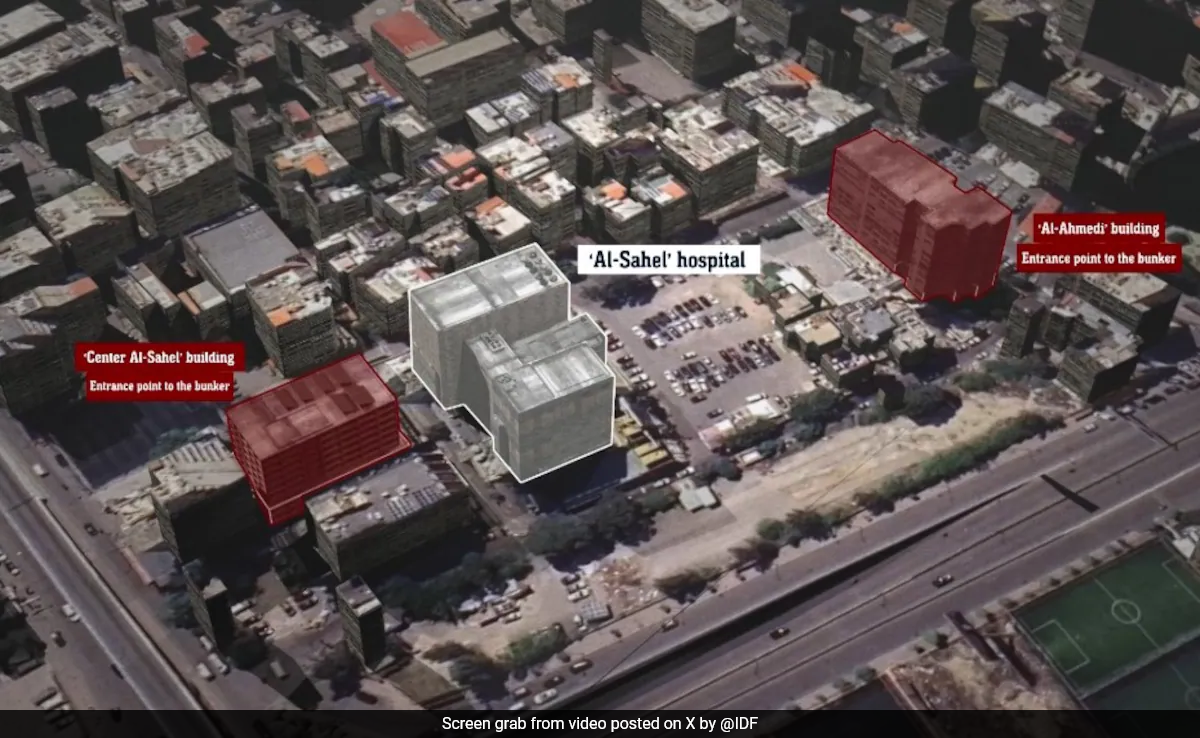
Israel recently claimed to have discovered a secret Hezbollah bunker in Beirut, which it values at $500 million. According to Israeli sources, this bunker allegedly contained a variety of advanced weaponry, supplies, and other assets, all aimed at bolstering Hezbollah’s military strength. The claim, though not independently verified, has caused a significant stir, drawing attention to the volatile tensions between Israel and Hezbollah. Israeli officials suggest that the discovery could represent a major setback for the militant group, undermining their preparedness in the face of ongoing regional conflicts.
The alleged find is situated in a residential area of Beirut, sparking concerns about Hezbollah’s use of civilian spaces for military purposes. This has long been a point of contention, with Israel accusing Hezbollah of hiding weapons in densely populated areas to shield them from potential airstrikes. By doing so, Hezbollah risks the safety of civilians, a tactic that has drawn widespread international criticism. Israeli officials argue that these tactics are part of Hezbollah’s broader strategy to create a "human shield" for their military assets.
However, Hezbollah and Lebanese officials have not confirmed Israel’s claims. Some have gone so far as to dismiss them as part of a broader psychological warfare effort, designed to sow fear and division among Hezbollah’s supporters. The lack of independent verification adds to the skepticism surrounding the claim. Hezbollah’s spokesperson labeled the allegations as “Israeli propaganda,” stating that Israel is trying to justify its recent airstrikes on Lebanon.
If the Israeli claims are true, the value of $500 million would mark a significant loss for Hezbollah, potentially crippling their logistical capabilities. The bunker is said to house advanced missile systems and other weapons, many of which are believed to have been supplied by Iran, Hezbollah’s key ally. Such a setback could limit Hezbollah’s ability to engage in future conflicts, especially at a time when tensions between the group and Israel remain high.
This revelation comes amid a broader context of escalating tensions between Israel and Hezbollah. Both parties have engaged in sporadic clashes over the past few years, with Hezbollah occasionally launching rockets into Israeli territory. These skirmishes often lead to Israeli airstrikes in response, making the border between Lebanon and Israel a constant flashpoint for violence. The discovery of the bunker, if true, adds another layer of complexity to this fragile balance.
For Israel, the alleged bunker discovery is likely to fuel ongoing debates about the security risks posed by Hezbollah’s growing influence in Lebanon. Israel has long considered Hezbollah a direct threat to its national security, with the militant group’s missile arsenal seen as a significant danger. This discovery could bolster Israel’s position in seeking stronger international support to curb Hezbollah’s military build-up.
The Lebanese government now finds itself in a difficult position. On one hand, they need to address the concerns raised by Israel, but on the other, they must balance the influence that Hezbollah wields within Lebanon’s political system. Any official action against Hezbollah would be politically perilous for the government, given Hezbollah’s considerable support base. This creates a complex web of internal and external challenges for Lebanon.
From a geopolitical perspective, this development could have broader implications for the Middle East. Israel’s claims of finding a Hezbollah bunker might escalate tensions not just with Lebanon but also with Iran, which provides extensive support to Hezbollah. Iran’s military backing has been a point of friction between Israel and Tehran, and the discovery of Iranian-supplied weapons could worsen relations between these two regional powers.
International reactions to this news have been cautious so far. Many countries are wary of taking sides in the Israel-Hezbollah conflict, as the situation is fraught with complexities. The UN has previously called for de-escalation in the region, urging both Israel and Hezbollah to refrain from further violence. However, with this latest claim, the prospects for peace seem distant, especially if tensions continue to escalate.
Ultimately, whether or not the Israeli claims about the Hezbollah bunker prove to be true, the incident underscores the fragile nature of the security situation in Lebanon. Hezbollah remains a powerful force within the country, both politically and militarily, and Israel’s focus on neutralizing this threat shows no signs of abating. The coming weeks will likely reveal more about the true nature of the alleged discovery and its potential consequences for the region.

0 Comments