
Ceasefire Deal Between Israel and Lebanon: A Turning Point in Middle East Diplomacy
Israel Approves Ceasefire Deal with Lebanon: A Step Towards Lasting Peace
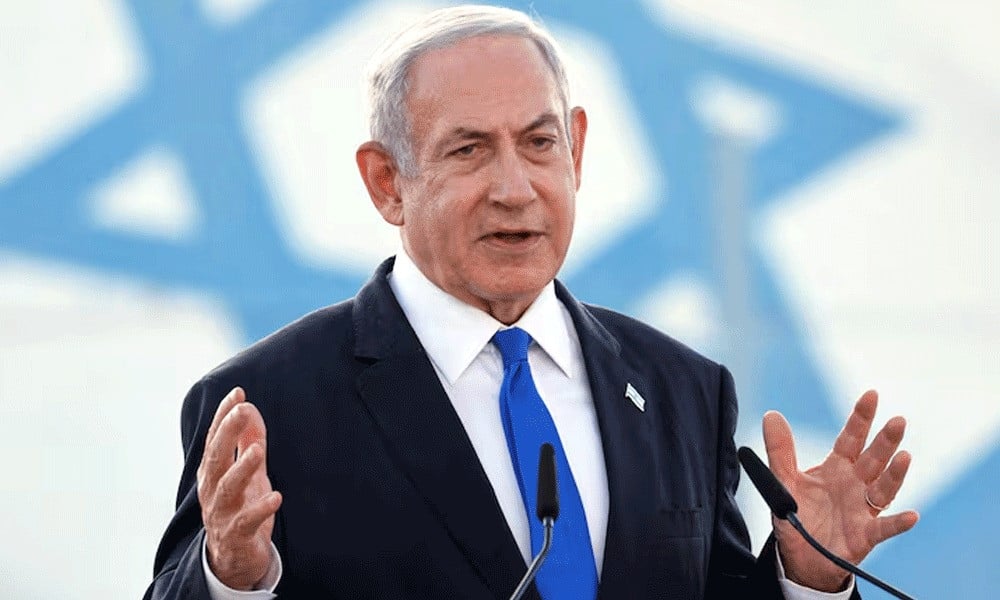
Israel’s approval of a ceasefire deal with Lebanon marks a historic moment in regional diplomacy. This agreement aims to de-escalate tensions and foster a pathway to sustained peace. It is a crucial development in a region often plagued by conflict and instability, offering hope for a more harmonious future.
The Israel-Lebanon conflict has roots in decades of territorial disputes and political unrest. This ceasefire agreement seeks to address long-standing issues and establish a framework for future cooperation. Understanding the background of this conflict underscores the importance of the current deal and its potential to create meaningful change.
International mediators, including the United Nations and key global powers, played a pivotal role in facilitating dialogue between Israel and Lebanon. These mediation efforts highlight the necessity of third-party involvement in resolving complex geopolitical conflicts and ensuring both sides find common ground.
The ceasefire agreement outlines several key provisions, such as halting cross-border hostilities, implementing enhanced security protocols, and introducing mechanisms for conflict resolution. These measures aim to build trust and ensure adherence to the terms of the deal, laying the groundwork for sustainable peace.
Economically, the ceasefire could significantly boost stability in both Israel and Lebanon. By reducing conflict-related disruptions, the agreement opens avenues for trade, investment, and regional development, creating opportunities that could uplift the standard of living for citizens on both sides of the border.
Improved border security is another critical aspect of the ceasefire deal. Measures to prevent unauthorized incursions and violent skirmishes are essential for maintaining peace and ensuring the safety of communities living near the border. This heightened security fosters a sense of safety and stability for those most affected.
Public reaction to the ceasefire has been mixed in both countries. While many view it as a much-needed step toward peace, others remain skeptical about its long-term viability. These varying perspectives reflect the complexities of peacebuilding and the challenges of gaining unanimous support.
The United Nations has been instrumental in brokering and monitoring the ceasefire agreement. Its peacekeeping missions in the region act as a stabilizing force, ensuring compliance with the deal’s terms and addressing any violations promptly. This involvement underscores the UN’s critical role in conflict resolution.
Despite its promise, the ceasefire faces several challenges. Political resistance, mistrust between parties, and potential spoilers who might undermine the agreement are significant hurdles. Addressing these issues with transparency and determination is vital for the agreement’s success.
The international community has responded positively to the ceasefire, with nations expressing support and offering assistance to ensure its implementation. This global backing is essential for maintaining momentum toward peace and reinforcing the commitment of both nations to the agreement.
The Israel-Lebanon ceasefire also holds the potential to foster broader regional stability. By setting a precedent for conflict resolution, it could inspire similar agreements between other conflicting parties in the Middle East, promoting a more peaceful and cooperative region.
Humanitarian benefits are another critical aspect of the ceasefire. Reduced hostilities mean fewer casualties, better access to aid, and improved living conditions for vulnerable populations in conflict-affected areas. These benefits emphasize the human impact of diplomatic progress.
The agreement could pave the way for joint exploration and sharing of natural resources, such as offshore gas reserves. Such collaborations have the potential to enhance economic ties and reduce resource-based tensions, fostering mutual economic growth.
Lebanon’s internal political landscape plays a significant role in the ceasefire’s success. A unified stance from Lebanese factions is necessary to uphold the agreement and prevent internal divisions from derailing progress. This unity is crucial for the deal’s long-term viability.
For Israel, the ceasefire aligns with its strategic interests of ensuring security and fostering a stable northern border. This agreement allows Israel to focus on other national priorities without the constant threat of conflict, contributing to its broader national stability.
Beyond the immediate cessation of hostilities, both nations need to invest in long-term peacebuilding measures. Initiatives such as cultural exchanges, economic partnerships, and educational programs can help reduce hostility and build mutual understanding between the two nations.
Learning from previous ceasefire failures can guide the successful implementation of this agreement. Transparency, accountability, and continuous dialogue are key factors in preventing a relapse into conflict and ensuring the agreement’s longevity.
Advanced technology, such as surveillance drones and satellite imagery, can play a critical role in monitoring compliance with the ceasefire. These tools enhance transparency, deter violations, and help maintain trust between the parties involved.
Media coverage plays a significant role in shaping public perception of the ceasefire. Balanced and accurate reporting is essential to foster support for the agreement and counter misinformation that might hinder progress. Public understanding and engagement are vital for the deal’s success.
In conclusion, the Israel-Lebanon ceasefire deal represents a beacon of hope in a region marred by conflict. While challenges remain, the commitment to dialogue and cooperation could pave the way for lasting peace and prosperity. This agreement is a testament to the power of diplomacy and the possibility of a more peaceful future.

0 Comments