
PTI Protest at D-Chowk Ends Amid Government Crackdown: Political Turmoil and Leadership Challenges in Pakistan
The PTI Protest in the Federal Capital Ends Amid Government Crackdown: A Detailed Analysis:
1. The PTI Protest: A Clash of Ideologies
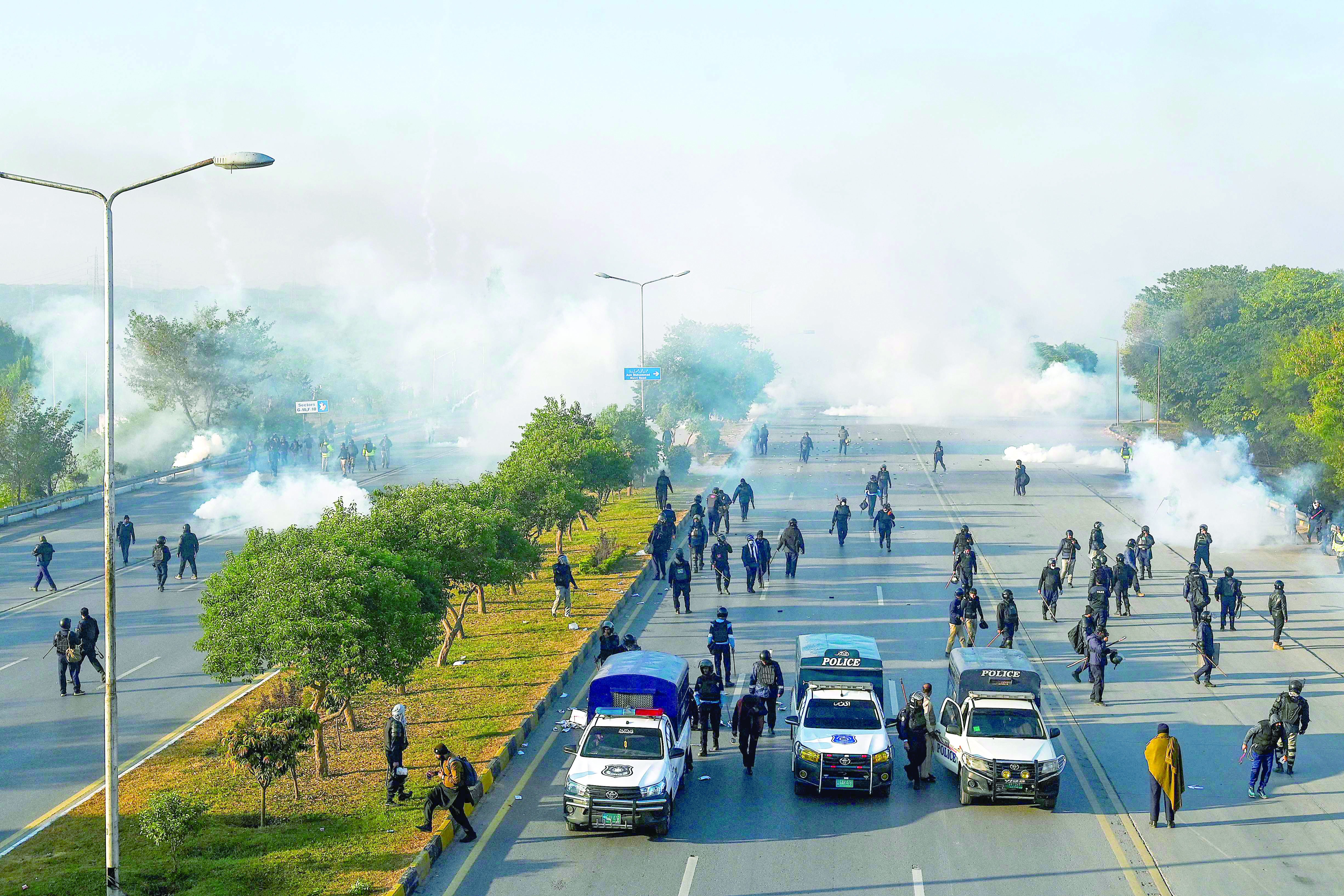
The Pakistan Tehreek-e-Insaf (PTI) protest in Islamabad gained momentum as party workers and supporters gathered at D-Chowk, a symbolic site for political demonstrations. The protest highlighted grievances against government policies, which PTI claimed were detrimental to national interests. The fiery speeches and charged atmosphere showcased the growing divide between the PTI and ruling coalition.
2. Government's Tactical Response to the Protest
The government's swift operation to disperse PTI supporters in Islamabad raised questions about the use of force against political dissent. Officials justified their actions by citing concerns over public safety and potential lawlessness. This response triggered a debate on the limits of free expression and state control in democratic societies.
3. D-Chowk: The Center of Political Showdowns
D-Chowk has historically been a hub for political protests in Pakistan, and the PTI's recent gathering underscored its continued significance. The location's proximity to government buildings made it a focal point for PTI's demands, but also a red zone for law enforcement agencies.
4. PTI’s Core Demands During the Protest
The protest was centered around calls for transparency in governance, accountability of public officials, and immediate elections. PTI's leadership argued that these measures were essential for restoring the public's trust in the democratic process.
5. The Senior Leadership’s Sudden Absence
As tensions escalated, reports emerged of PTI's senior leadership leaving the scene. This development surprised many supporters and sparked criticism from rival political factions, who accused PTI leaders of abandoning their followers during a critical juncture.
6. Public Reaction to the PTI Protest
The protest evoked mixed reactions among the public. While PTI loyalists commended the party's efforts to challenge the status quo, critics viewed the demonstrations as disruptive and counterproductive. Social media platforms were flooded with divergent opinions, reflecting the polarization in public sentiment.
7. The Role of Law Enforcement in Containing Protests
The heavy deployment of police and paramilitary forces at D-Chowk underscored the government’s commitment to maintaining order. However, allegations of excessive force and indiscriminate arrests drew condemnation from human rights organizations.
8. Political Polarization in Pakistan Deepens
The PTI protest highlighted the increasing political polarization in Pakistan. With the ruling coalition and PTI at loggerheads, the nation seemed divided into two camps, each unwilling to compromise on their respective narratives.
9. Media Coverage of the PTI Protest
Mainstream and digital media played a pivotal role in shaping public perception of the PTI protest. While some outlets focused on the legitimacy of PTI's demands, others criticized the chaos and disruptions caused by the demonstrations.
10. The Economic Cost of Political Protests
Political protests like the one led by PTI have significant economic implications. The closure of roads, disruption of businesses, and increased security expenditures placed additional burdens on an already struggling economy.
11. The PTI Protest's Impact on Islamabad's Residents
Residents of Islamabad bore the brunt of the protest's aftermath. Traffic jams, restricted movement, and heightened security created inconvenience for the city's population, fueling resentment against both the government and the protesters.
12. The Global Perspective on the PTI Protest
International observers closely monitored the PTI protest, viewing it as a reflection of Pakistan’s political instability. The crackdown on demonstrators raised concerns about democratic backsliding in the country.
13. Social Media Amplification of the Protest
PTI supporters utilized social media platforms to share real-time updates and rally more people to their cause. Hashtags related to the protest trended on Twitter, showcasing the power of digital activism in modern political movements.
14. Lessons Learned from the PTI Protest
The events at D-Chowk highlighted the importance of dialogue and negotiation in resolving political conflicts. Both the government and opposition must prioritize national interest over party politics to avoid such confrontations in the future.
15. The Political Fallout of the PTI Protest
The PTI protest's abrupt end and the senior leadership's withdrawal from D-Chowk have left a lasting impact on the party's image. Critics argue that the incident exposed weaknesses in PTI’s strategy and leadership.
16. The Role of Women and Youth in the Protest
PTI's protest saw active participation from women and youth, emphasizing their growing involvement in political movements. Their presence underscored the party's appeal to diverse demographics across the nation.
17. Legal Implications of the Crackdown
The government's operation against the PTI protest raised legal and constitutional questions. Civil society groups have called for an independent investigation into the use of force and the legality of the crackdown.
18. Comparing PTI’s Protest to Previous Demonstrations
The PTI protest drew comparisons to earlier political demonstrations, such as the 2014 sit-in at D-Chowk. Analysts noted similarities in strategy but pointed out differences in public support and outcomes.
19. The Way Forward for PTI
The PTI must reassess its approach to political mobilization and focus on building consensus for its demands. A clear roadmap and stronger grassroots connections could enhance the party's credibility and influence.
20. The PTI Protest as a Test of Pakistan’s Democracy
The PTI protest served as a litmus test for Pakistan's democratic resilience. The events underscored the need for balanced governance, respect for dissent, and adherence to democratic principles to ensure the country's stability.

0 Comments